
Introduction
Heroin is a powerful and highly addictive opioid drug. It can slow the body’s breathing and affect the brain very quickly. Repeated use can lead to dependence, serious health problems, and overdose.
People may search for heroin slang or street terms because they have heard an unfamiliar word in a conversation, online post, song, or news story. Knowing that a term refers to a dangerous drug can be useful for safety. However, learning about heroin itself is more important than memorizing drug slang.
Heroin belongs to a group of drugs called opioids. It can produce strong changes in mood and pain perception, but it can also cause dangerous breathing problems. The risk can become even harder to predict when opioids are mixed with other substances.
This guide explains what heroin is, why it is risky, what effects it can have, and what warning signs people should know.
What Is Heroin? 🧠
Heroin is an illegal opioid made from morphine. Morphine is derived from the opium poppy. Heroin affects opioid receptors in the brain and body.
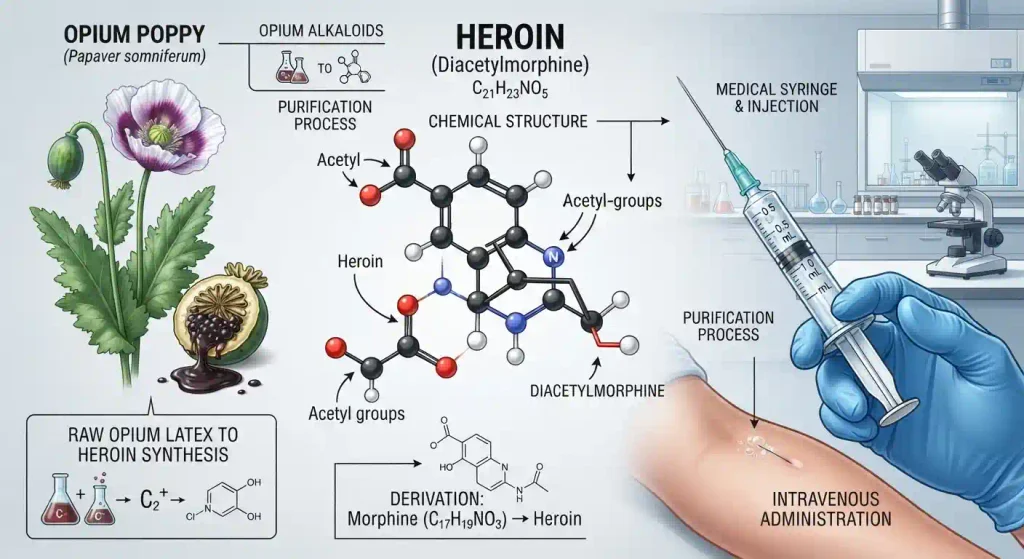
Its effects can include sleepiness, reduced pain, slowed breathing, and changes in alertness. Because it can strongly affect the brain’s reward system, repeated use may lead to opioid use disorder.
The strength and contents of illicit drugs can also vary. A person may not know exactly what a street drug contains, which adds another safety risk.
Why Is Heroin Dangerous? ⚠️
Heroin can slow breathing. In an overdose, breathing may become dangerously slow or stop.
Other risks include:
- Loss of consciousness
- Severe dependence
- Opioid use disorder
- Infection from unsafe drug use
- Serious injury while impaired
- Fatal overdose
Another concern is contamination. Illicit drugs may contain unexpected substances, making their effects difficult to predict.
What Effects Can Heroin Have? 🩺
Heroin affects both the brain and the body. Short-term effects may include extreme sleepiness, confusion, nausea, and slowed breathing.
Long-term use can lead to dependence and significant health problems. A person who has developed dependence may experience withdrawal when they stop using the drug.
The effects are not the same for everyone. They can depend on the person’s health, tolerance, other substances involved, and the contents of the drug.
How Can Opioid Overdose Be Recognized? 🚨
An opioid overdose is a medical emergency.
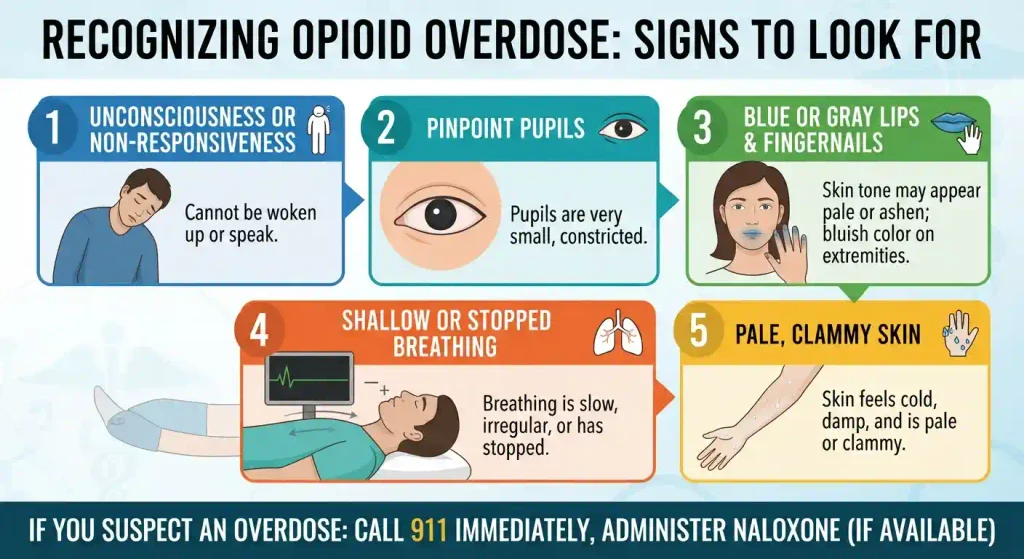
Warning signs can include:
- Very slow or stopped breathing
- Inability to wake the person
- Very small pupils
- Limpness
- Pale, gray, or bluish skin
- Gurgling or unusual breathing sounds
If an overdose is suspected, seek emergency medical help immediately. In places where naloxone is available, it can rapidly reverse an opioid overdose when given appropriately.
What Is Naloxone? 💙
Naloxone is a medicine that can temporarily reverse an opioid overdose. It works by blocking the effects of opioids at certain receptors.
It does not replace emergency medical care. A person who receives naloxone still needs urgent medical attention because its effects may wear off before the opioid has left the body.
Learning about naloxone can be especially useful for people who may encounter an opioid overdose in their community.
Can Heroin Cause Addiction? 🔎
Yes. Heroin can cause opioid dependence and opioid use disorder.
Dependence means the body has adapted to repeated drug exposure. Stopping suddenly after dependence has developed can cause withdrawal symptoms.
Opioid use disorder is a medical condition. Treatment can include medicines, counseling, behavioral support, and other forms of care.
A person struggling with opioid use does not have to handle the problem alone. A doctor, addiction specialist, trusted adult, or local health service can help identify appropriate treatment.
Why Is Mixing Drugs Especially Risky? 🛑
Combining drugs can make their effects harder to predict. Some substances can also increase sedation and breathing problems.
Mixing opioids with other central nervous system depressants can be particularly dangerous. A person may not realize how strongly the substances are affecting breathing until an emergency develops.
For safety, unfamiliar pills, powders, or other illicit substances should not be assumed to contain what someone claims they contain.
How Can Families Talk About Heroin? 👨👩👧
A calm conversation is often more useful than anger or shame.
Parents, teachers, and other trusted adults can:
- Listen without immediately judging
- Explain the health risks clearly
- Encourage questions
- Take unusual behavior seriously
- Help the person find professional support
- Know the signs of an opioid overdose
If someone may be using opioids, professional medical advice can help determine what support is appropriate.
Where Can Someone Get Help? 🤝
Someone dealing with opioid use can speak with a doctor, addiction treatment provider, counselor, or local health service.

If someone appears to be overdosing, treat it as an emergency rather than waiting for the person to recover on their own.
Emergency services should be contacted immediately when a person is unconscious, having severe breathing problems, or otherwise showing signs of a life-threatening overdose.
Common Questions About Heroin ❓
What is heroin?
Heroin is an illegal opioid made from morphine. It affects opioid receptors in the brain and can cause intense sedation, dependence, and dangerous breathing problems. Because illicit heroin can vary in strength and may contain unexpected substances, its effects can be difficult to predict.
Why is heroin addictive?
Heroin strongly affects the brain’s reward system. Repeated exposure can cause physical dependence and changes in how the brain responds to the drug. A person may continue using it despite serious problems. Opioid use disorder is treatable, and professional support can help.
What are the main dangers of heroin?
The major dangers include overdose, dangerously slowed breathing, dependence, opioid use disorder, infections, and other serious health problems. The risk can increase when opioids are combined with other substances that cause sedation or breathing suppression.
What should you do if someone may be overdosing?
Call emergency medical services immediately. If naloxone is available and you are trained or instructed to use it, administer it according to the product directions. Stay with the person and follow emergency-dispatch instructions while waiting for professional help.
Can opioid addiction be treated?
Yes. Opioid use disorder can be treated. Treatment may involve medications, counseling, behavioral support, and ongoing medical care. The right approach depends on the person’s needs. A healthcare professional can help determine suitable treatment options.
Why should people avoid unknown street drugs?
Illicit drugs can have unpredictable strength and contents. A substance sold under one name may contain something different from what the buyer expects. This uncertainty can increase the risk of poisoning, overdose, and other serious harm.
Conclusion
Heroin is a powerful and dangerous opioid that can cause dependence, serious health problems, and fatal overdose. Understanding its effects and recognizing an opioid overdose can help people respond more safely during an emergency.
Rather than relying on drug slang or rumors, focus on reliable health information. If you or someone you know is struggling with opioid use, reaching out to a healthcare professional or addiction service is an important step toward getting support.